My parents visited last month. Sitting around the kitchen table, after re-hashing through old stories and family jokes, we paused. A moment of silence that spoke volumes. I asked them 'Did you know that it's been 27 years since we have spent time together like this?' None of the internal 'let's make this the perfect 2-week holiday' pressure. Not doing anything in particular but simply being in close proximity to each other, in the throes of ordinary life. Their presence brought a kind of ease that my body hadn't felt in a long time.
When they left, it hit me harder this year. Because somewhere between leaving home and building a life outside of it, I'd convinced myself that self-reliance and independence was a badge to wear with honour. But as I've told many clients, any strength - when overused - becomes a liability. It transmutes from being a superpower to an Achilles heel. For a long time, I didn't like asking for help, I didn't want to bother others with my problems and I thought I could figure everything out on my own!
The village we forgot
Western frameworks for resilience tend to emphasise the individual's capacity to cope and recover. We applaud the solo climber, the person who is so strong, they don't need anyone else. Yet, as Esther Perel puts it, as human beings we seek belonging, identity, continuity, transcendence - needs that require the collective strength of a village.
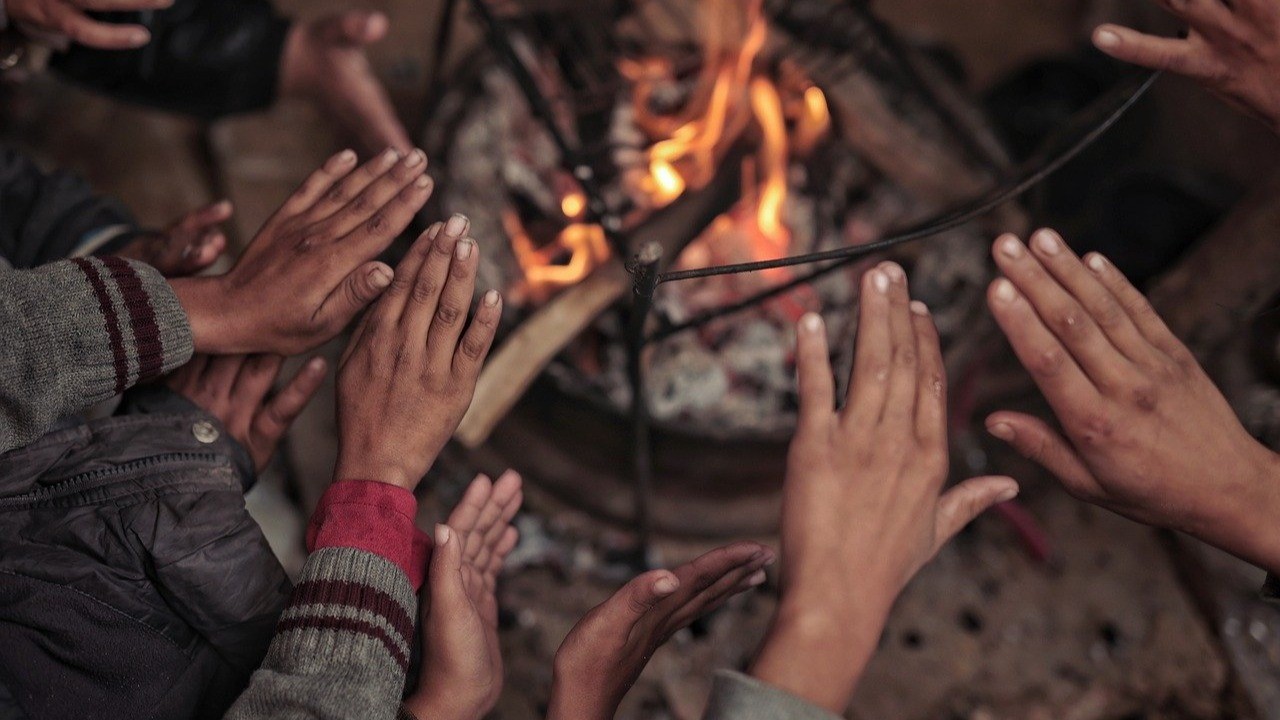
The challenge with the individualistic lens is that it overlooks the collective and relational dimensions of resilience. Around the world, where nations have been scarred by disaster or war, resilience is found in how people show up for each other. Community becomes the buffer that keeps people going.
Hyper-independence is not only exhausting but systemically impossible and Bert Hellinger's work teaches us why. He describes three ordering forces that govern healthy systems: belonging (everyone has a right to be part of the system), order (everyone has their place), and balance (the flow of giving and receiving). When these forces are violated, when we exclude ourselves from systems or try to exist outside them, it creates what he calls "entanglements" that block the natural flow of energy and connection. We like to think we are self-made, but the reality is we function within systems, communities and we build its architecture collectively.
Loneliness
The 2025 Cigna International Health Study (UAE Edition) revealed a striking paradox. While the UAE's vitality score surpassed global averages across physical, mental and workplace wellbeing, 56% of workers reported loneliness. I was reminded of conversations with individuals who live alone in hope of providing a better future for their families back home or professionals who chase career acceleration until it becomes all-consuming. Even highly successful people with generational wealth and successful legacies share this quiet struggle.
Carl Jung's perspective rings true "Loneliness does not come from having no people about one, but from being unable to communicate the things that seem important to oneself." You can feel lonely in solitude, but also in partnership, within a family or in a crowd. Both physical and emotional, loneliness touches every layer of human experience driven by a range of factors from the quality and quantity of our relationships to mental health, overwork, migration, caregiving and loss. And once it takes hold, loneliness can be reinforcing. Much like Ebenezer Scrooge, perceiving the world through a negative lens, expecting rejection/disappointment, he pushes himself further into isolation.
The strength of social wealth
Sahil Bloom identifies social wealth as one of the key pillars to living a truly wealthy life. It is made up of deep, meaningful bonds, a sense of community and "the lasting respect, admiration, and trust of your peers that you receive on the basis of earned, not acquired, status symbols." Giving others our time, attention and service enriches our own lives as well as the wellbeing of others.
Science affirms this truth through what's known as the Social Slope Effect theory. When you face a challenge with a friend, your brain perceives that challenge as less steep. Not because the mountain got smaller. Not because you got stronger. But because psychologically, a supportive relationship becomes an energetic resource. It is possible to help another heal simply by being a calm, steady presence.
It's very easy to get lost in the hustle of life and convince ourselves that it's simpler and safer to go about things alone. Standing on your own does take strength, but resilience is about knowing when to climb alone and when to call for back up. Life just becomes much lighter when you don't do all the heavy-lifting yourself.
As 2025 draws to a close, I am deeply grateful. To all my loved ones, friends, peers and communities who carried me through the last couple of years - thank you.
Here's to the people who make our mountain(s) feel smaller. May we find time to connect, to gather without aesthetically pleasing spreads and most importantly, allow ourselves to show up exactly as we are.